
Step inside the Emerald Coast Wildlife Refuge, meet its permanent animal ambassadors, and see how every visit helps injured Florida wildlife.
Sugar-white beaches, emerald water, the beach lifestyle, and outdoor activities certainly steal the spotlight in Navarre Beach. Those highlights belong on every visitor's itinerary. But there's a place just a 15-minute drive away that many people pass without realizing what's behind the gates: the Emerald Coast Wildlife Refuge.
The refuge isn't a zoo or a tourist attraction, but a working wildlife hospital where injured, orphaned, and sick native Florida animals receive a second chance, with many eventually returning to the wild. Others stay for life, helping visitors understand the challenges wildlife faces every day. And that's the magic of this place: it offers a meaningful way to connect with wildlife and become more aware of how vulnerable it is.
If you're an animal lover and want to include this beloved local stop in your itinerary, in this blog post I'll tell you all about the Emerald Coast Wildlife Refuge, what to expect during your visit, how you can help, and how to make your experience even more meaningful.
A quick hello from us:
At Gulf Coast Getaways, we offer a handpicked lineup of vacation rentals along Florida's Gulf Coast, and we've gotten to know this stretch of shoreline pretty well over time.
Our destination blog is full of helpful posts, from beach day tips to where to grab the best craft beer and even a bit of local history.
What Exactly Is the Emerald Coast Wildlife Refuge?
The Emerald Coast Wildlife Refuge (ECWR) is a nonprofit organization dedicated to rescuing, rehabilitating, and conserving Florida's native wildlife. Although the organization began in the 1990s, it moved into its purpose-built facility in 2019, giving staff a dedicated medical center alongside an education center that's open to visitors.
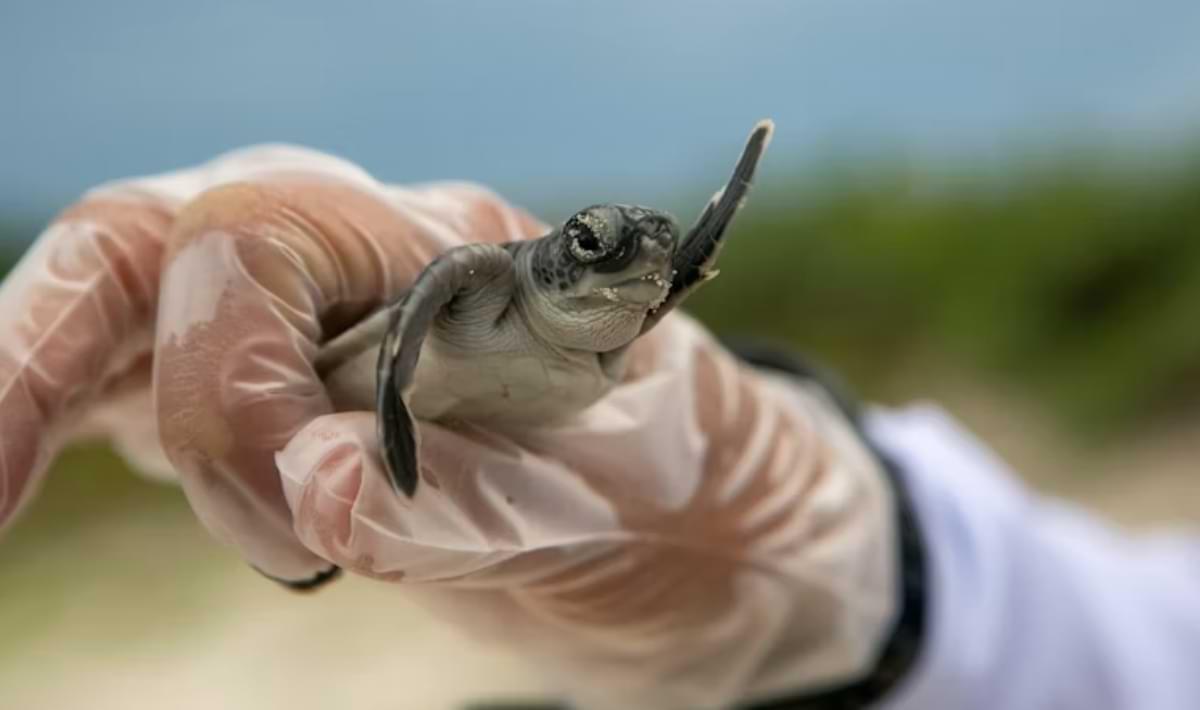
Every year, between 1,500 and 2,000 animals arrive needing help. Some are orphaned babies. Others have been struck by vehicles, tangled in fishing lines, or suffered illnesses and injuries that require immediate medical care. Baby squirrels, raccoons, opossums, birds, turtles, you never quite know who's arriving next. The medical center operates seven days a week to handle wildlife emergencies, with one goal guiding every decision: getting healthy animals back where they belong.
Not every patient can return to the wild, though. Animals with permanent injuries or those too accustomed to people stay at the refuge as permanent residents, helping educate thousands of visitors each year.
This Isn't a Zoo, And That's What Makes It Interesting
This is a very important thing to understand before planning your visit. The refuge works very differently from a traditional zoo.
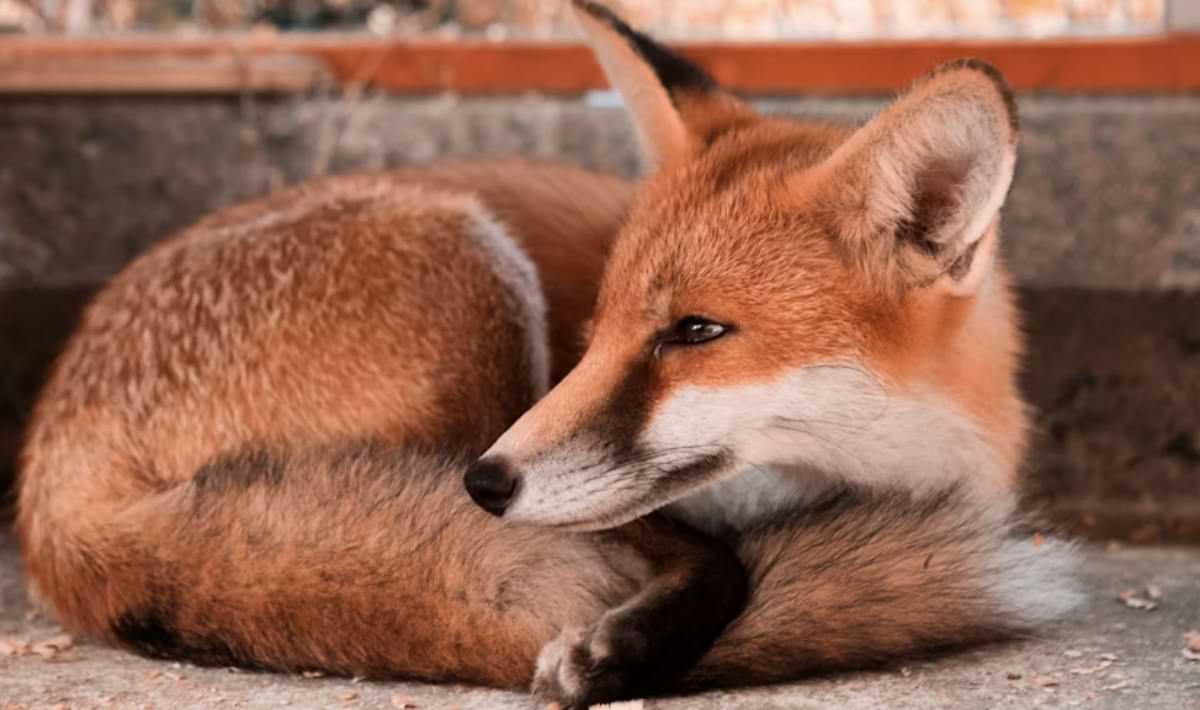
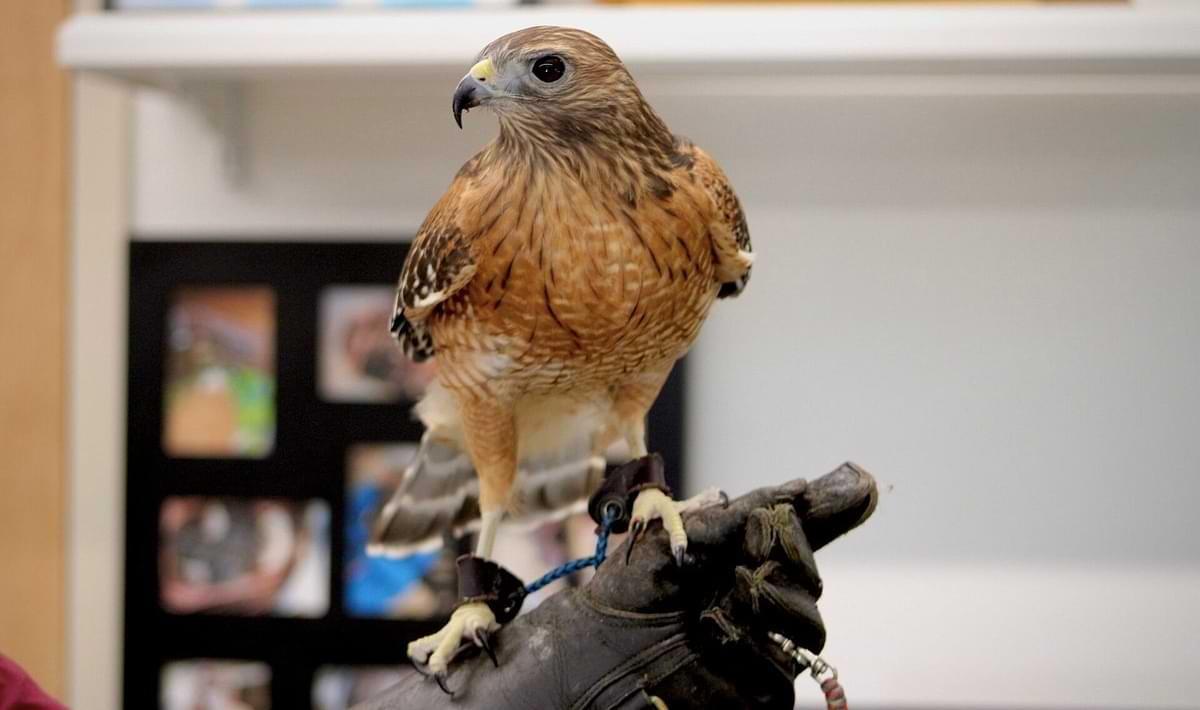
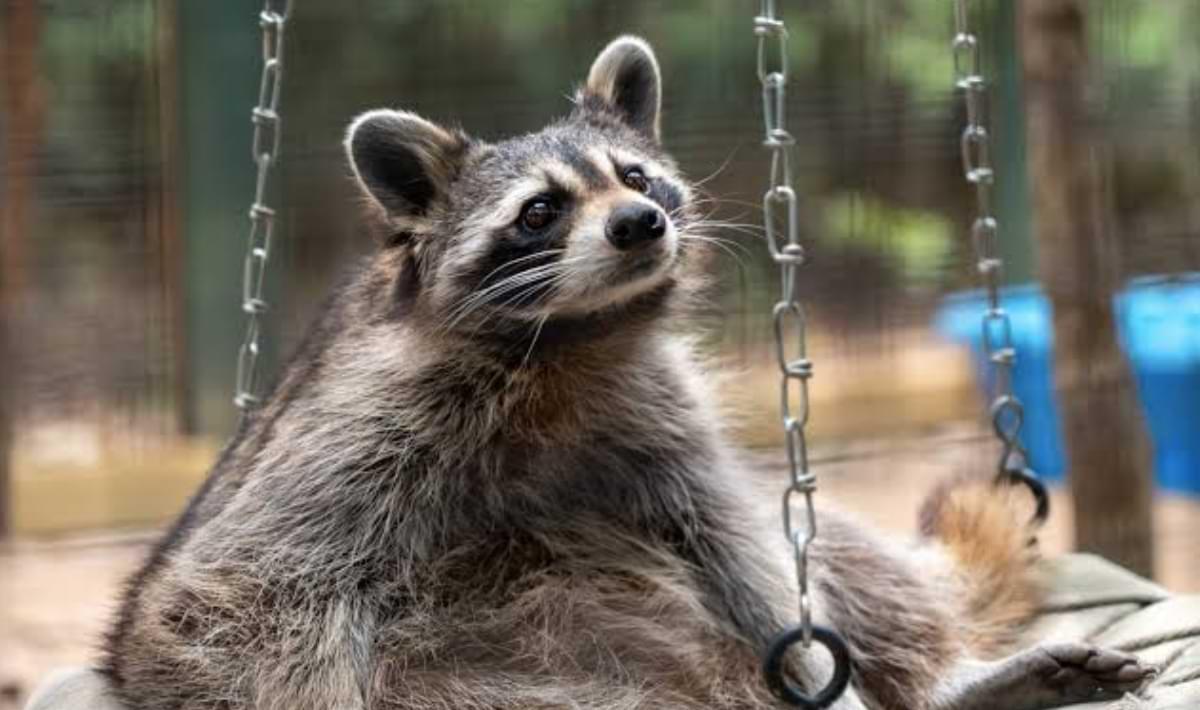
The stars here weren't bred for display. Every resident has a story behind it. A hawk that can no longer hunt because of an injured wing. A fox that can't survive independently. A raccoon that became too comfortable around humans after being rescued as a youngster. These captivating permanent residents have an important job now, helping people understand why wildlife rehabilitation matters.
The refuge also gives you a rare look behind the scenes. Through one-way observation windows, you can watch veterinarians and wildlife rehabilitators working in the exam room, ICU, and nursery without disturbing the animals recovering inside. You might catch someone bottle-feeding baby squirrels or treating an injured turtle.
Meet the Animal Ambassadors
The Education Center is home to around a dozen permanent Animal Ambassadors, each with a story worth hearing.
Bird lovers can meet Aries, the Red-Shouldered Hawk, and Owliver, a Barred Owl. Mammals include Loxy the Fox, Rose the Raccoon, Magnolia the Striped Skunk, Keanu Trees, a Sherman fox squirrel, and several Virginia opossums, including Gumbeaux, Peggy, and young Casper, who's currently training to be an ambassador.
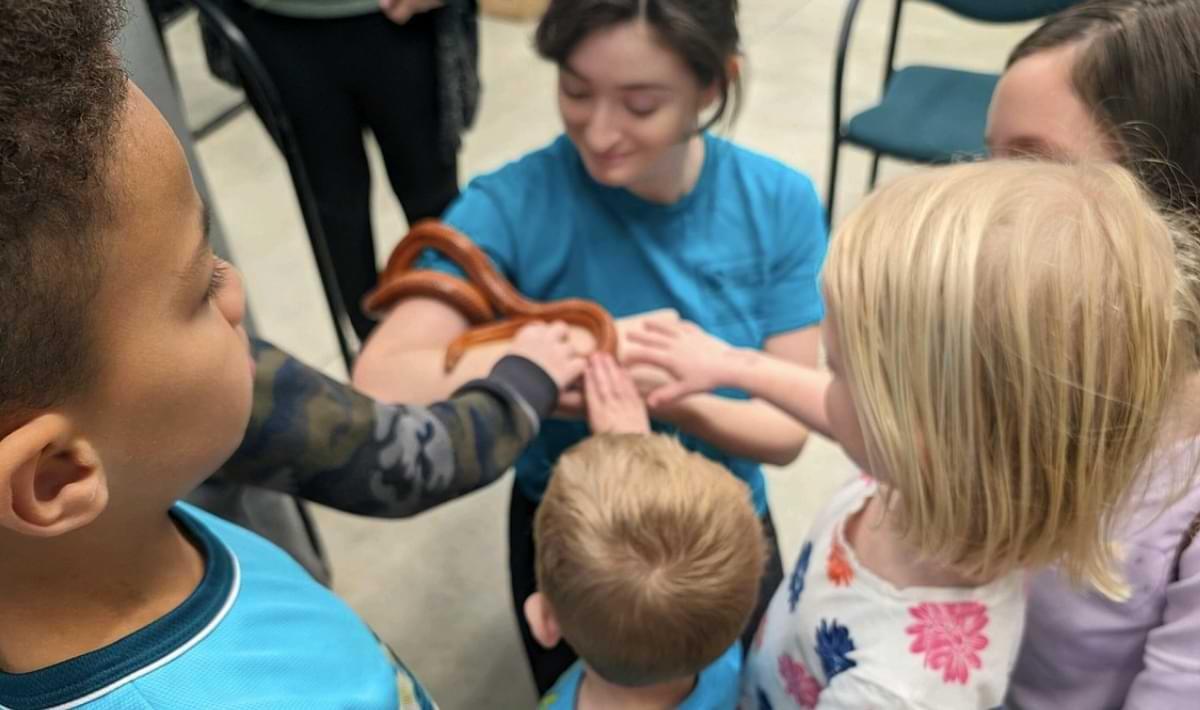
Reptiles are just as well represented here. You can meet Shelldon, an African Spurred Tortoise, Landlord, a Gopher Tortoise, Tot, an Eastern Box Turtle, corn snakes Butch and Dwight, and even leopard geckos named Simon and Garfunkel. Depending on staff availability and each animal's comfort level, some visits include close encounters with selected ambassadors.
Unlike many wildlife attractions, the staff encourages questions. Every ambassador has a backstory, and the educators clearly enjoy sharing how each animal ended up calling the refuge home. So, if you're visiting, ask as many questions as you wish.
Inside the Exhibits That Leave a Lasting Impression
Inside the Education Center you'll find jars filled with fishing hooks, line, and lures removed from injured pelicans. Nearby sits a beach chair that trapped a sea turtle overnight. Skeletal displays include a sperm whale jawbone, bottlenose dolphin skulls, and other specimens collected to teach visitors about Florida's marine life.
None of these displays exist to shock people. They simply connect everyday choices with real consequences for wildlife. After walking through the exhibits, it's difficult to look at discarded fishing line or abandoned beach gear the same way again.
Is It Worth Visiting With Kids?
Absolutely! Families with young children should put this high on their list.
Instead of simply reading signs, children get to meet real animals, hear why they couldn't return to the wild, and see how wildlife hospitals actually operate. River otters, foxes, raccoons, turtles, owls, snakes, and hawks never fail to fascinate young visitors. More importantly, they leave the refuge with a better understanding of how important it is to pay attention to our actions and how they can affect wildlife.
Families with children who already love animals may want to keep an eye on the refuge's seasonal programs. Camp CROW, designed for ages 8 to 13, focuses on a different group of animals each day through crafts, games, and hands-on activities. Younger children can join Little Critter Camp, which introduces wildlife through age-appropriate activities and animal encounters.
Plan Your Visit
The Education Center is open Wednesday through Saturday from 9:00 a.m. to 3:00 p.m., and Sunday from 11:00 a.m. to 3:00 p.m. It's closed on Mondays and Tuesdays.
Admission won't break the bank:
- Adults: $8
- Military and seniors (55+): $7
- Children (ages 3–17): $6
- Children under 2: Free
Your Ticket Does More Than Buy Admission
One thing worth remembering throughout your visit is that your admission ticket is helping keep the doors open.
Unlike many wildlife organizations, the Emerald Coast Wildlife Refuge receives no federal, state, or county funding. Every admission fee, gift shop purchase, donation, and membership directly supports the food, medication, veterinary equipment, and daily care needed for nearly 2,000 rescued animals each year.
Your visit also helps support the permanent residents that now call the refuge home. All the resident animals require specialized habitats, enrichment, veterinary care, and daily attention for the rest of their lives.
Want to Get More Involved?
Many visitors leave wanting to help, and there are plenty of ways to do so.
Monthly memberships range from Song Bird Saver all the way to Great Horned Owl, helping cover ongoing medical and rehabilitation costs. There's also a Buy a Brick program, allowing supporters to purchase engraved bricks that are placed along the pathway connecting the Education and Medical Centers. If you'd rather donate supplies, everyday necessities like towels and laundry detergent are always in demand, and the refuge maintains an Amazon Wishlist for current needs.
Even shopping in the gift shop contributes to the mission. You'll also be supporting local artists at the same time.
Interested in Volunteering?
The refuge welcomes volunteers, although the commitment depends on the role.
People looking for occasional opportunities can join monthly Community Work Days, helping with habitat construction, maintenance, landscaping, and other hands-on projects around the facility. No long-term commitment is required, making these events a great fit for visitors or locals who simply want to lend a hand.
Those interested in becoming regular volunteers attend a mandatory orientation before joining one of several teams.
Animal Care is the most competitive position. Volunteers must be 18 or older, commit to at least 12 hours each month, complete extensive training, and be comfortable working outdoors in Florida's heat while caring for rehabilitation patients and permanent residents.
Other opportunities are available for volunteers 16 and older, including Education & Outreach and Maintenance & Beautification. Teenagers can also earn Bright Futures volunteer hours, and younger students between 10 and 14 may apply to join the Youth Advisory Council.
A Few Tips Before You Go
You'll get much more out of your visit if you take a few minutes to chat with the educators. They know every ambassador by name and genuinely enjoy sharing their stories.
A few other tips that can make the experience even better:
- Plan on spending one to two hours if you'd like time to see the exhibits, observe the rehabilitation areas, and meet the ambassadors.
- Wear comfortable shoes, as some outdoor sections involve walking through sand.
- Weekdays are less busy if you'd prefer a more personal visit.
- Don't skip the medical observation windows. They're one of the most unique parts of the entire refuge.
- Check the calendar before visiting. Throughout the year, the refuge hosts community events like Plant Bingo, Clays for Conservation, seasonal family activities, educational classes, and volunteer days.
Get the Best Out of Your Gulf Coast Experience
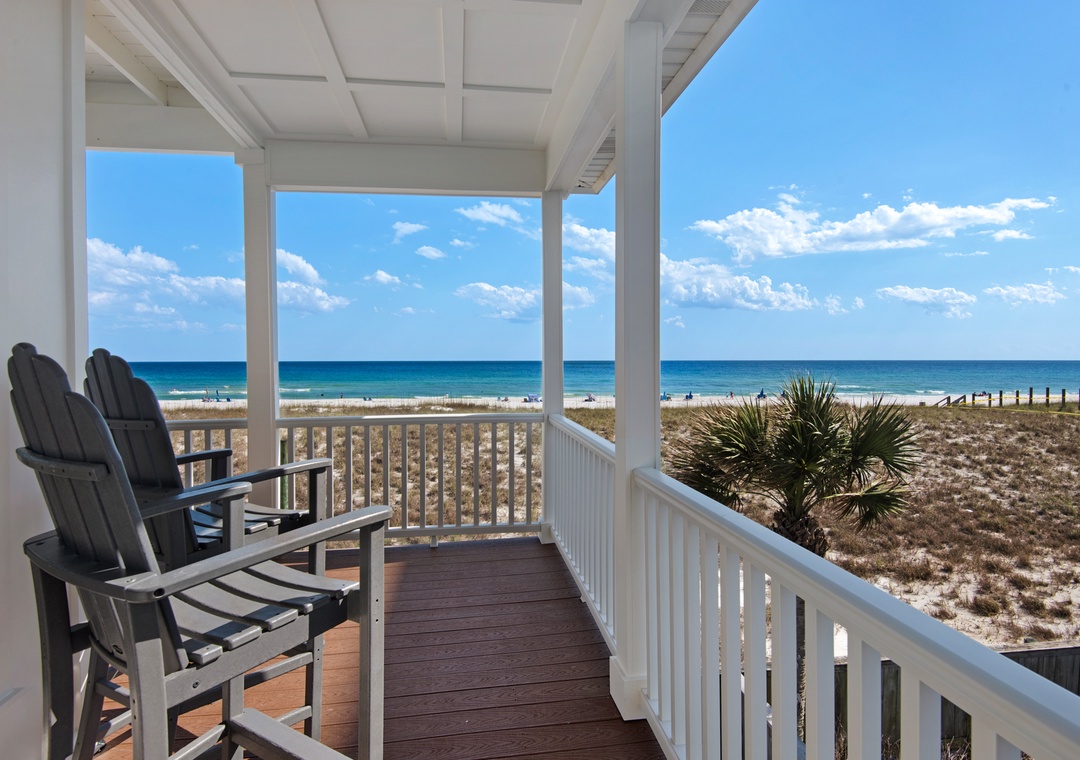
Make the most of your trip with a stay through Gulf Coast Getaways. From spacious beachfront homes to modern condos just steps from the sand, our vacation rentals give you your own easygoing base by the water.
With thoughtful service and local know-how, we'll help turn your Florida getaway into a relaxed, memorable Gulf Coast experience.